Source Korean Style Oversleeve Apron for Art, Kitchen, Work
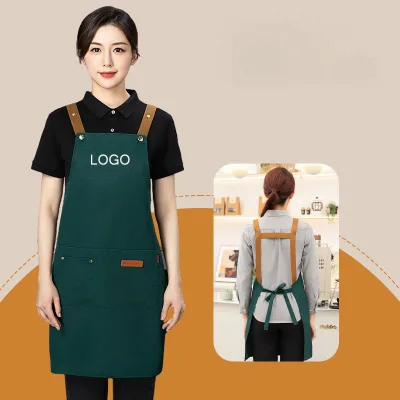
Find 30 Korean style oversleeve apron options suitable for art, kitchen, and work environments. Buyers can compare features like waterproofing, material, and customization to select the right protective wear for their needs.
Key considerations
Products List
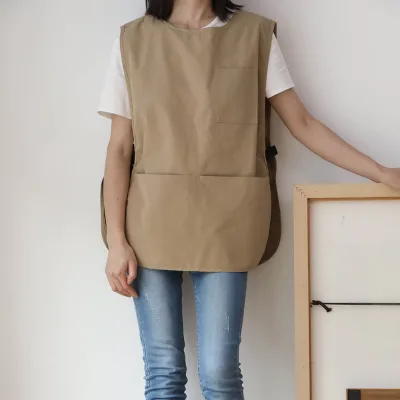


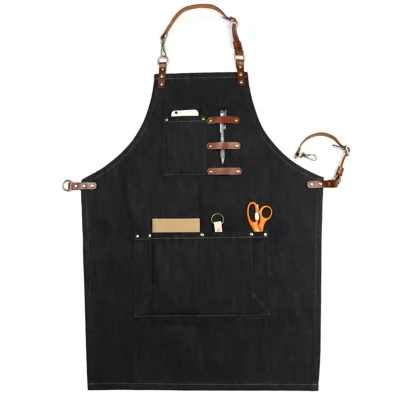


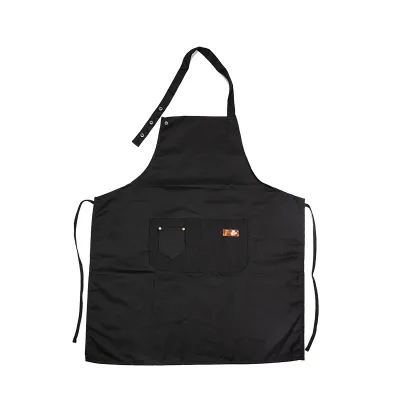
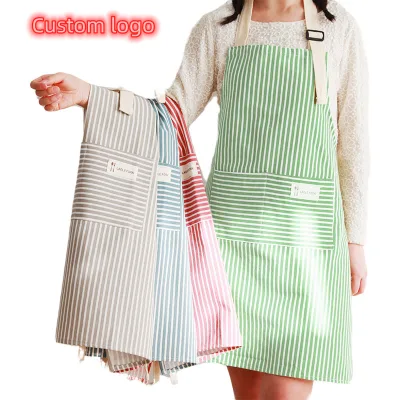


Comprehensive Sourcing Guide
Korean Style Oversleeve Apron Sourcing Guide
Sourcing Korean-style oversleeve aprons requires a nuanced understanding of the intersection between aesthetic minimalism and functional durability. These garments are distinct from traditional bib aprons, offering a streamlined silhouette that appeals to modern cafes, art studios, and contemporary retail environments. The design typically emphasizes clean lines, neutral or muted color palettes, and a fit that allows for unrestricted arm movement while protecting the wearer’s clothing. Buyers must recognize that "Korean style" is often a stylistic descriptor rather than a strict technical standard, meaning product variations can be significant across different suppliers. Consequently, the procurement process must focus on verifying material composition, fit consistency, and the specific protective features that align with the end-user’s operational needs.
The market for these aprons is characterized by a wide range of customization options, from fabric selection to logo placement, which can complicate initial sourcing efforts. While the aesthetic is consistent, the underlying construction quality varies, with some products prioritizing water resistance for kitchen use and others focusing on breathability for artistic or retail applications. Buyers should approach this category with a clear definition of their primary use case, whether it be heavy-duty protection in a restaurant setting or light-duty coverage in a creative studio. This clarity is essential when evaluating supplier catalogs, as the same product model may be marketed with conflicting specifications regarding material weight, waterproofing capabilities, and intended longevity.
Product Scope and Observed Listing Signals
The observed product landscape for Korean-style oversleeve aprons reveals a diverse array of specifications that buyers must carefully navigate. Listings indicate a price range of $0.01 to $17.94 USD, reflecting the vast difference between basic, non-woven protective smocks and higher-quality, reusable polyester or cotton blends. The minimum order quantity (MOQ) ranges from 10 to 200,000 units, suggesting that suppliers cater to both small boutique orders and large-scale industrial procurement. This wide variance in pricing and volume requirements necessitates a thorough review of each supplier’s tiered pricing structure and production capacity to ensure alignment with the buyer’s budget and inventory strategy.
Product attributes observed in the market highlight a strong emphasis on versatility and customization. Common features include water-resistant or waterproof finishes, sleeveless designs, and plain patterns that align with the minimalist aesthetic associated with Korean style. Materials range from polyester to cotton, with some listings supporting custom fabric requests. The products are generally classified as non-disposable and reusable, targeting adult users in unisex applications. Colors observed include navy blue, black, blue, brown, and gray, with many suppliers offering custom color options to match brand identities. Buyers should verify these attributes directly with suppliers, as listing descriptions may not always accurately reflect the final product’s material composition or performance characteristics.
Technical Specifications to Verify
When evaluating technical specifications, buyers must prioritize the verification of material composition and dimensional accuracy. Observed data indicates that products may be made from polyester or cotton, with some listings supporting custom fabric options. It is crucial to request physical samples to assess the fabric’s weight, texture, and durability, as these factors significantly impact the apron’s lifespan and comfort. Additionally, dimensions vary across listings, with observed sizes including 66cm x 72cm, 85cm x 70cm, and 60cm x 29cm. Buyers should confirm the exact measurements required for their use case, ensuring that the apron provides adequate coverage without compromising mobility.
Other critical technical aspects include the apron’s closure mechanism, pocket configuration, and water resistance performance. While many listings highlight water-resistant or waterproof features, the specific level of protection should be verified through testing or supplier documentation. The presence of pockets, their size, and their placement can also vary, affecting the apron’s utility for holding tools or personal items. Buyers should also inquire about the single package size and gross weight, as these factors influence shipping costs and storage requirements. Confirming these details early in the sourcing process helps avoid discrepancies between the ordered product and the delivered goods, ensuring that the final product meets the intended functional requirements.
Compliance and Safety Documentation
Compliance and safety documentation are essential for ensuring that Korean-style oversleeve aprons meet regulatory standards in the target market. Buyers should request relevant certifications, such as ISO 27001:2022 for information security management if the supplier handles sensitive data, although this is less common for apparel manufacturing. More directly relevant are certifications related to material safety, such as OEKO-TEX or REACH compliance, which verify that the fabrics and dyes used are free from harmful substances. These certifications are particularly important for aprons used in food service or healthcare settings, where contact with skin or food items is frequent.
Additionally, buyers should verify that the products comply with local labor and environmental regulations in the country of origin, such as China or Zhejiang, China. This includes ensuring that the manufacturing process adheres to ethical labor practices and environmental protection standards. Suppliers should be able to provide documentation confirming their compliance with these regulations, which can mitigate reputational and legal risks for the buyer. It is also advisable to check for any specific industry standards that may apply to protective clothing, such as EN ISO standards for personal protective equipment, if the aprons are intended for use in high-risk environments.
Cost Drivers and Commercial Terms
The cost of Korean-style oversleeve aprons is influenced by several key factors, including material quality, customization complexity, and order volume. Higher-quality materials, such as premium polyester or organic cotton, will naturally command a higher price point compared to basic synthetic blends. Customization options, such as custom logos, colors, or fabric choices, can also increase costs due to the additional setup and production time required. Buyers should negotiate tiered pricing structures that offer significant discounts for larger order volumes, as this can substantially reduce the per-unit cost.
Commercial terms, including payment methods and lead times, are also critical components of the procurement process. Observed payment terms include T/T, L/C, or negotiable options, allowing buyers to choose the method that best suits their financial strategy. Lead times can vary depending on the order size and customization requirements, so buyers should establish clear timelines with suppliers to ensure timely delivery. It is also important to clarify shipping terms, such as FOB or CIF, to understand who is responsible for transportation costs and risks. By carefully managing these commercial terms, buyers can optimize their total cost of ownership and ensure a smooth procurement process.
Supplier Qualification and Quality Control
Supplier qualification is a vital step in sourcing Korean-style oversleeve aprons, as it ensures that the chosen partner can consistently deliver high-quality products. Buyers should conduct thorough due diligence on potential suppliers, including verifying their business licenses, production capabilities, and quality control processes. This may involve requesting factory audits or third-party inspections to assess the supplier’s adherence to international standards and ethical practices. Additionally, buyers should evaluate the supplier’s responsiveness and communication skills, as these factors are crucial for resolving any issues that may arise during production or delivery.
Quality control measures should be established early in the procurement process to minimize the risk of defects and discrepancies. Buyers should define clear quality standards, including acceptable tolerances for dimensions, color, and material composition, and communicate these standards to the supplier. Regular inspections, such as pre-production, during-production, and pre-shipment inspections, can help identify and address any quality issues before the goods are shipped. Buyers should also consider implementing a sampling process, where a small batch of products is produced and evaluated before full-scale production begins. This approach allows for adjustments to be made early, reducing the risk of costly errors and ensuring that the final product meets the buyer’s expectations.
Long-Term Procurement Checks
Long-term procurement checks are essential for maintaining a sustainable and efficient supply chain for Korean-style oversleeve aprons. Buyers should regularly review supplier performance metrics, such as on-time delivery rates, product quality consistency, and responsiveness to issues. This ongoing evaluation helps identify potential problems early and allows for corrective actions to be taken before they impact the business. Additionally, buyers should stay informed about market trends and technological advancements in apparel manufacturing, as these developments may offer opportunities for cost savings or product improvements.
Building a strong, collaborative relationship with suppliers is also crucial for long-term success. Buyers should engage in open and transparent communication, sharing feedback and expectations clearly. This fosters trust and encourages suppliers to prioritize the buyer’s orders and provide better service. Regular business reviews, where both parties discuss performance, challenges, and opportunities for improvement, can strengthen the partnership and ensure that both sides are aligned on goals. By investing in these long-term checks and relationship-building efforts, buyers can secure a reliable supply of high-quality Korean-style oversleeve aprons that meet their evolving needs.
FAQs
What material is used for the Korean style oversleeve apron?
The apron is primarily made of polyester, though some listings also mention cotton. This material choice supports its water-resistant and anti-dirty functions for various uses like art, household, or restaurant workwear.
Can I customize the logo on this waterproof apron?
Yes, customized logos are available for this product. Buyers can request specific branding on the polyester fabric, which is suitable for advertising or corporate workwear applications in kitchen or garden settings.
What are the standard dimensions for this sleeveless apron?
Standard sizes vary by model, with common dimensions including 66cm by 72cm or 85cm by 70cm. Some specific models like AP-7310 list sizes around 66.5cm by 74.5cm, while others may be labeled as one size fits all.
Is this apron suitable for sanitary and safety applications?
Yes, the product is classified as sanitary and designed for safety and protective uses. It features waterproof properties and is non-disposable, making it reusable for kitchen, maternity, or general workwear environments.
Where are these polyester aprons manufactured?
These aprons originate from China, specifically from regions like Hebei and Zhejiang. The products are packaged in cartons or OPP polybags and are intended for adult use in various professional and household capacities.
What payment terms are accepted for bulk orders?
Accepted payment methods include T/T, L/C, or negotiable terms depending on the supplier agreement. Buyers should confirm specific payment conditions directly with vendors to ensure secure transactions for their custom orders.